Vericent Insights
Latest insights, research, and thought leadership

APP Fraud Liability Shift: What the UK's PSR Reimbursement Rules Mean for Fraud Architecture in 2026
The PSR's mandatory APP fraud reimbursement scheme has changed who pays when fraud succeeds. Here is what the liability shift means for fraud architecture in 2026.
READ MORE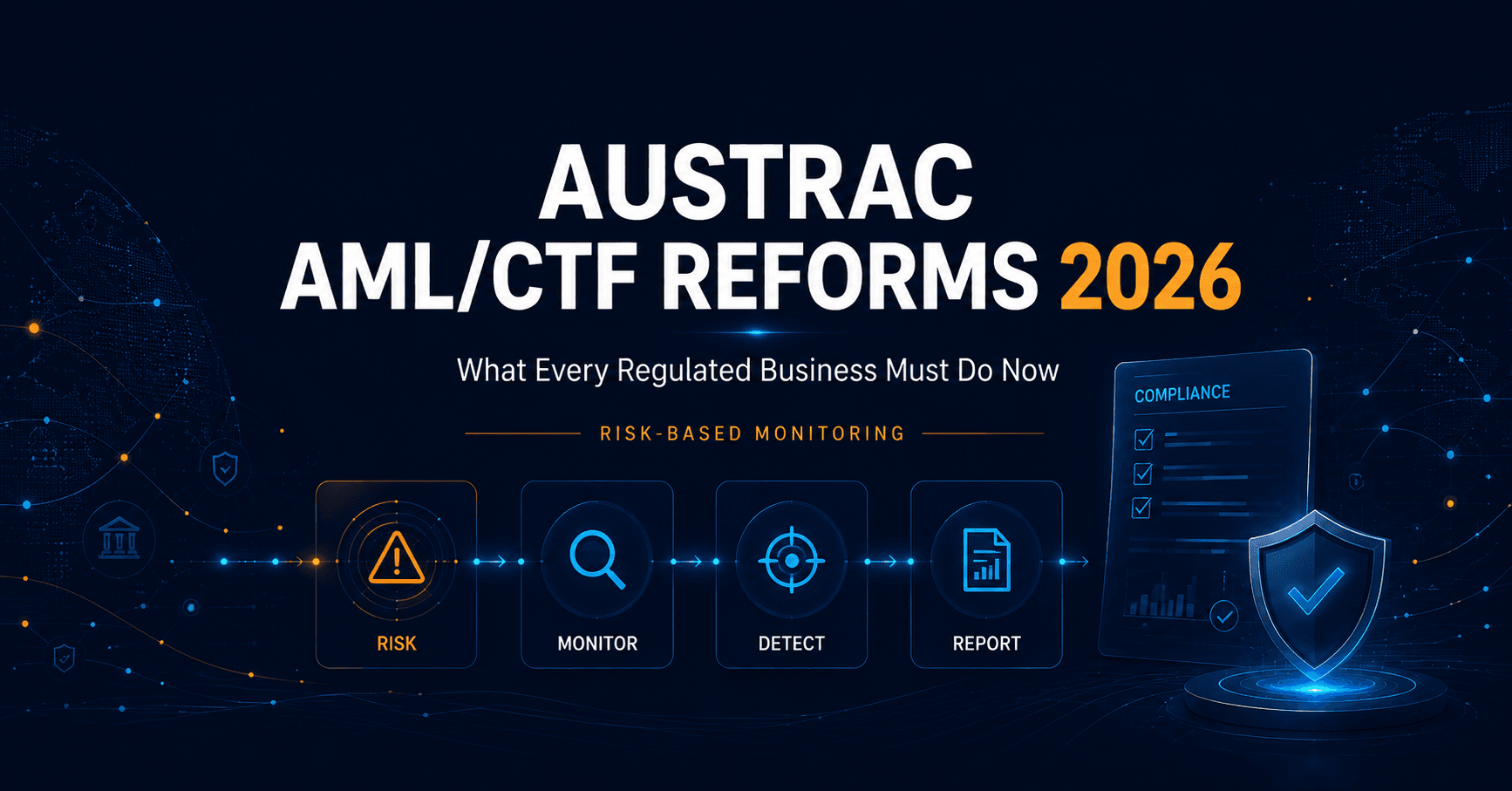
Australia's AML/CTF Framework Has Entered a New Era
Australia's AML/CTF reforms are now live. Learn what changed, who is affected, and why risk-based monitoring is becoming essential for regulated businesses.
READ MORE
The Fraud Landscape in 2027: What AI Anomaly Detection Must Do Next to Stay Ahead
Cybercrime will cost $24 trillion by 2027. Agentic AI fraud is already live. Here is what AI anomaly detection must evolve to do, and what the 2026 data tells us about 2027
READ MORE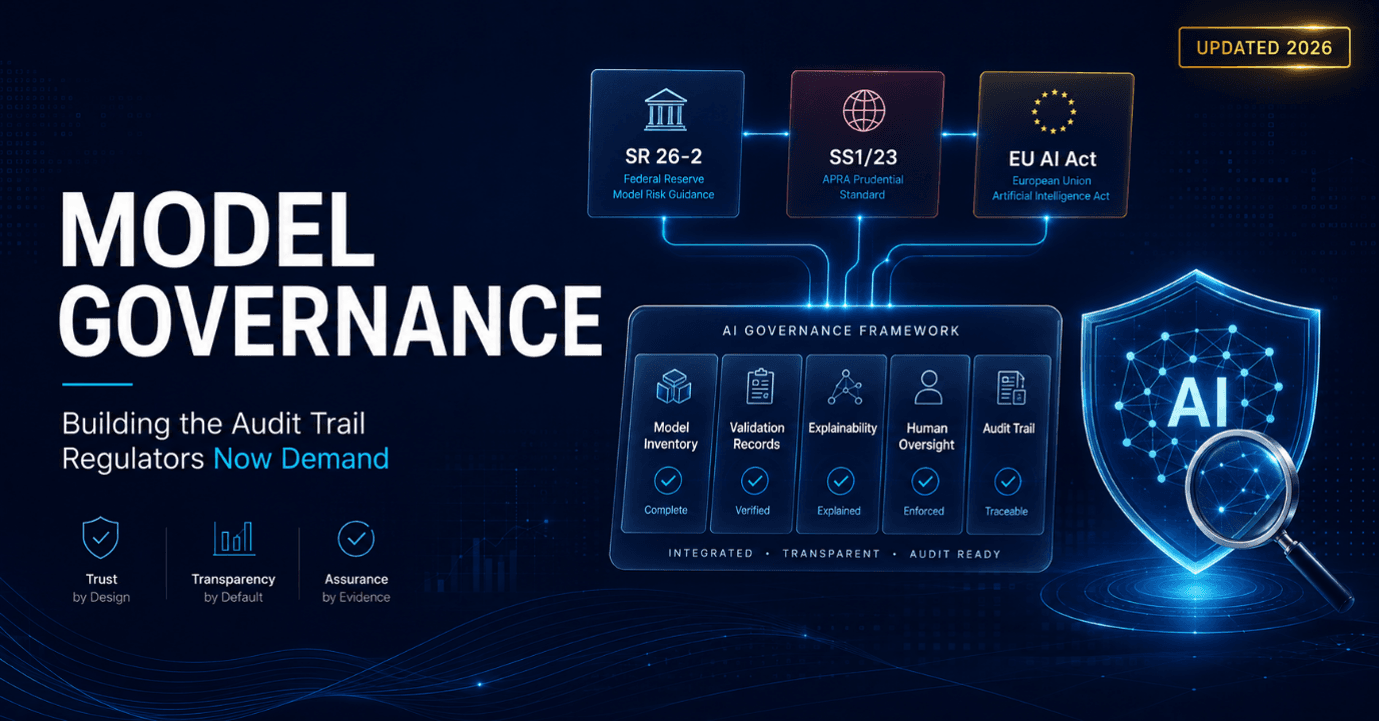
Model Governance for AI Fraud Systems: Building the Audit Trail That Regulators Now Demand
SR 26-2 replaces SR 11-7 in April 2026. SS1/23 and the EU AI Act follow. Regulators now demand explainable, auditable AI fraud models.
READ MORE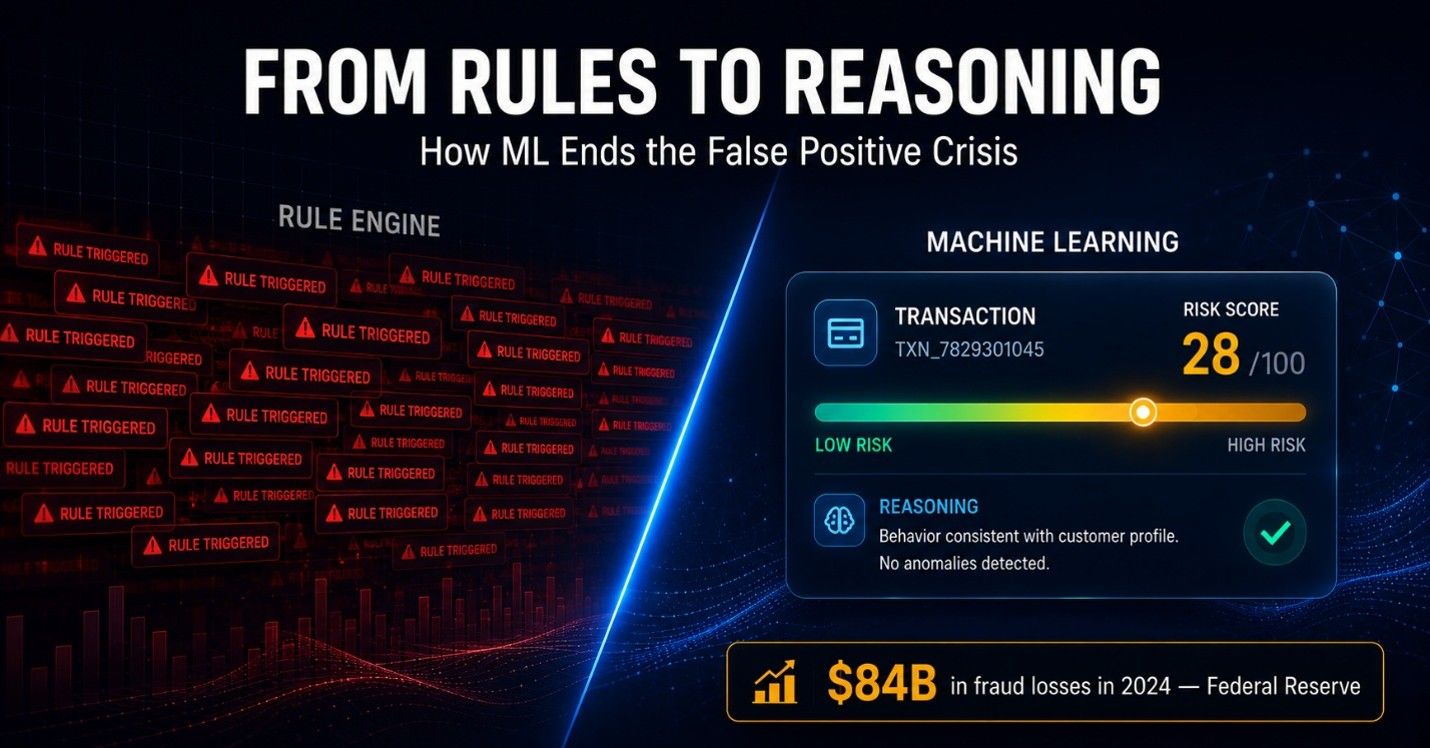
From Rules to Reasoning: How Machine Learning Eliminates the False Positive Crisis in Enterprise Fraud
Rule-based fraud systems generate false positives that cost institutions billions and erode customer trust. Machine learning changes the logic entirely. Here is how.
READ MORE
Privacy-Preserving AI in Fraud Detection: How to Build Models That Regulators and Data Teams Both Accept
GDPR, EU AI Act, and fraud detection AI now converge into one compliance challenge. Learn what regulators require, and how privacy-preserving techniques resolve the tension.
READ MORE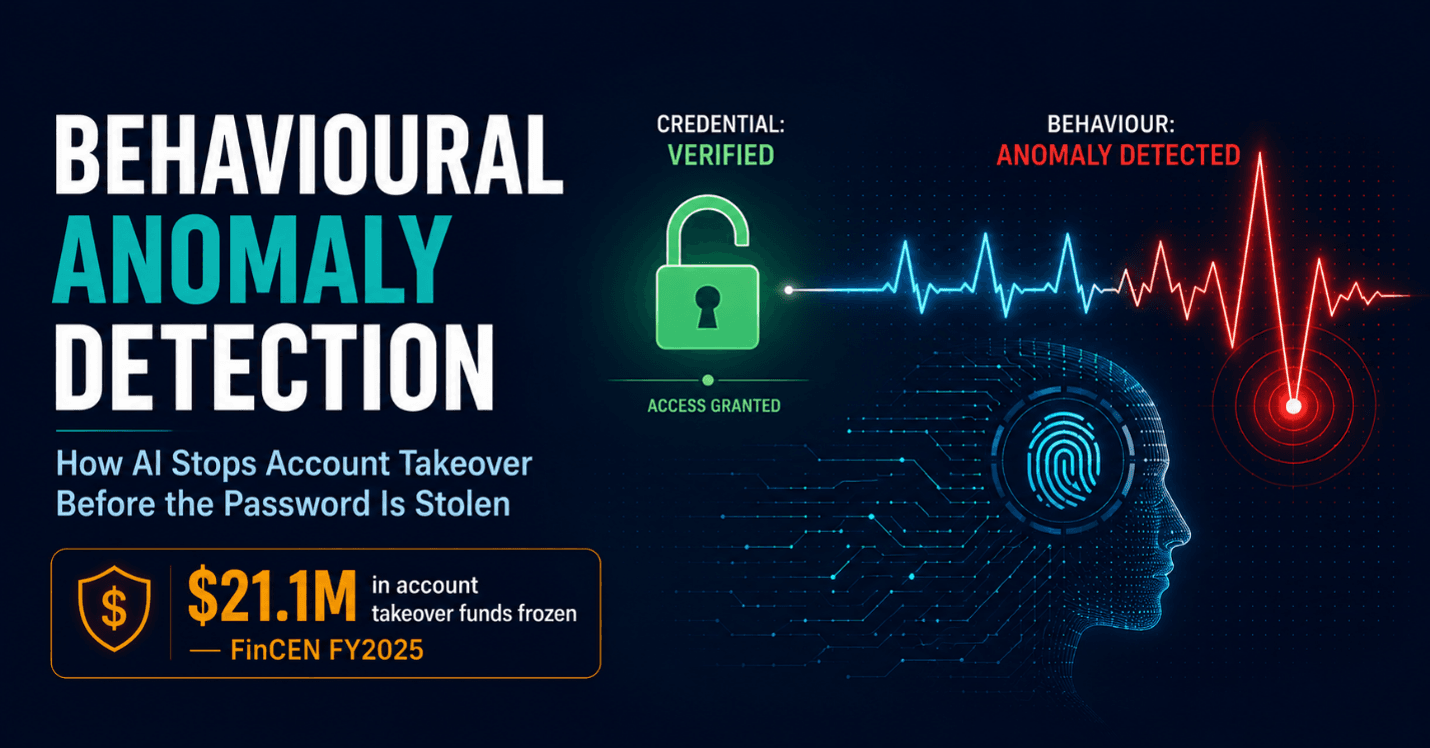
Behavioural Anomaly Detection: How AI Stops Account Takeover Before the Password Is Stolen
Account takeover bypasses passwords entirely. Behavioural anomaly detection flags the attacker before the first fraudulent transaction. See how and why it matters now.
READ MORE
AML Meets AI: Why Fraud Detection and Anti-Money Laundering Are Converging in 2026
156 jurisdictions now classify fraud as a top money laundering risk. Discover why AML and fraud detection are converging in 2026, and how AI is the integration layer.
READ MORE
Real-Time Fraud Monitoring vs Batch Processing: The Architecture Decision That Defines Your Loss Exposure
Real-time fraud monitoring stops fraud before funds leaves. Batch processing detects it after. In 2026, that timing gap costs your organisation, here is the evidence.
READ MORE
Synthetic Identity Fraud in 2026: How Graph Neural Networks Catch What Rule Engines Miss
Synthetic identity fraud is becoming a major financial crime risk in 2026. Learn how Graph Neural Networks detect fraud networks that traditional rule engines miss with data, implementation realities, and governance implications.
READ MORE